
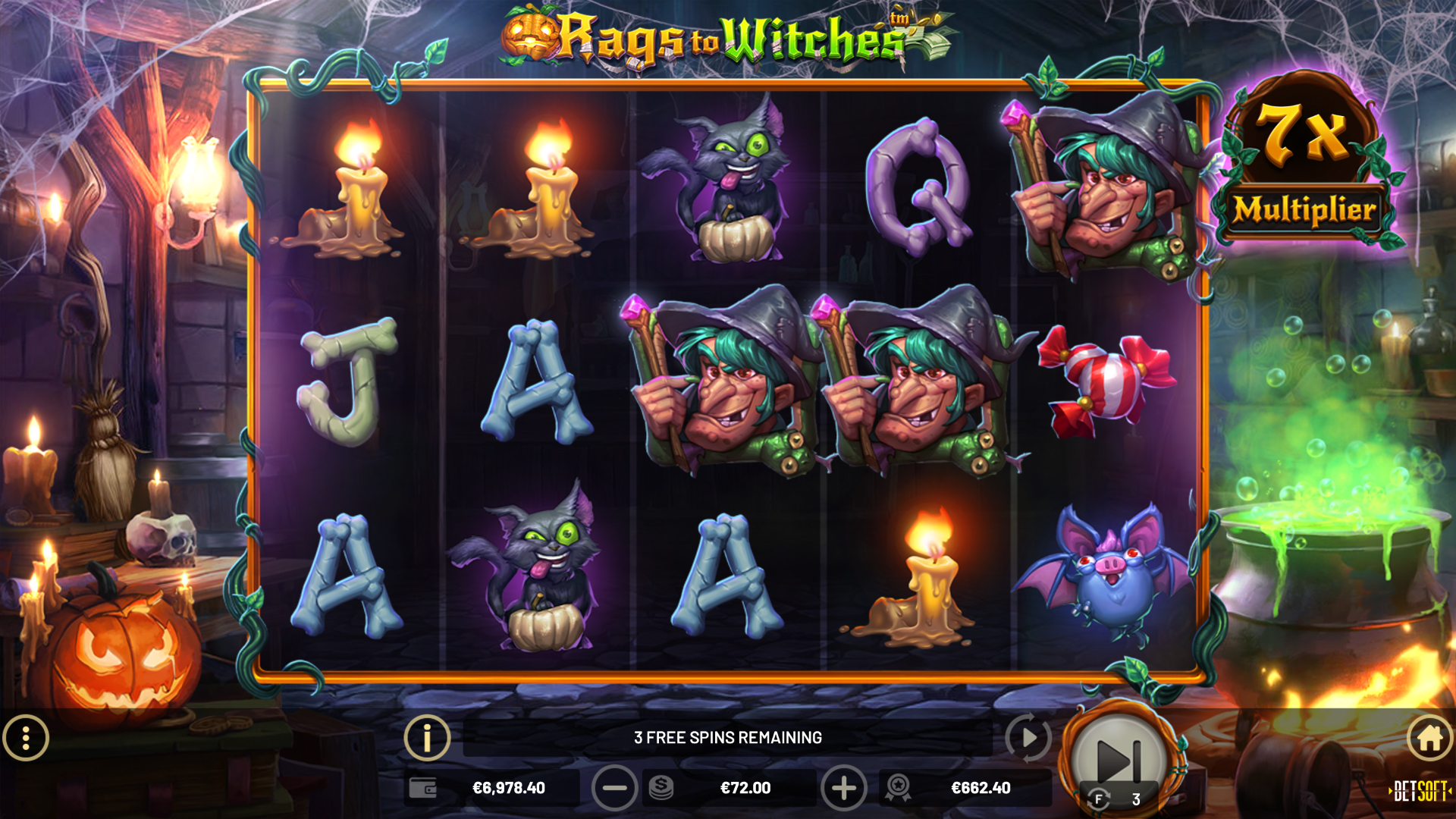
I have explored hundreds of online casino lobbies, and most blend in a cloud of same grids and intrusive pop-ups. LazyBar Casino captured my interest because it deliberately rejects that model. The first thing I noticed was a intentional sense of control: the interface breathes rather than shouts. Every part from the top navigation bar to the smallest game thumbnail feels measured. I wanted to analyze exactly how the platform delivers this uncommon balance and where it still falters under actual scrutiny.
Speed, Načítací stavy, and Ošetření chyb
Designová preciznost matters most when things go wrong or load slowly, and I tested this deliberately by throttling my connection and force-closing games. The platform handles game loading with a branded splash screen and a circular progress indicator that accurately reflects loading percentage. If a game fails to launch, a friendly error card replaces the loading screen with a clear message and a retry button, plus a link to game rules that still works offline. I never encountered a blank white screen or an unhelpful browser alert, which tells me the error boundaries are properly instrumented. Even the search function degrades gracefully, returning a styled empty state with suggestions rather than a broken layout when no results match my query.
Metriky rychlosti and Subjektivní pružnost
Z pohledu subjektivního dojmu, the platform feels quick. Navigation transitions complete under what feels like 200 milliseconds, and the lazy loading of game thumbnails prioritizes visible rows first. The main JavaScript bundle appears to be split into sensible chunks because category pages load nearly instantly while heavy live-stream dependencies fetch asynchronously later. I noticed that the platform uses service workers to cache the shell of the interface, which means repeat visits materialize almost instantly even on spotty mobile connections. This focus on perceived speed rather than just technical metrics makes a tangible difference during real-world use on UK mobile networks where signal strength can fluctuate unpredictably.
LazyBar Casino nabízí an interface that prioritizes clarity, speed, and practical navigation over flashy decoration. The disciplined visual identity, the intelligent filtering and search systems, the genuinely thoughtful mobile adaptations, and the seamless handling of account management tools all point to a design team that understands how real players interact with an online casino. While no interface is flawless, the platform consistently makes smart trade-offs that respect my time and attention, which after weeks of analytical use leaves me more focused on the games themselves rather than wrestling with the chrome around them.
Main Navigation Architecture
Losing your way inside a casino lobby frustrates me faster than a losing streak lazybarcasino.eu.com. LazyBar Casino bypasses this with a sticky horizontal navigation bar that shrinks into a compact hamburger-triggered drawer on mobile devices. The main menu categories are extremely straightforward: Slots, Live Casino, Table Games, and Promotions. I appreciate the discipline of not over-segmenting. The search function stands out as a magnifying glass icon that opens into a full text field on click. It delivers results with a subtle animation that feels reactive rather than sluggish, pulling matching game tiles from both title metadata and provider tags on the fly.
Filter Systems and Provider Sorting
The real power resides inside the secondary filter row that appears once I access a game category. A horizontal scrollable chip bar enables me to choose between All Games, New Releases, and Popular titles instantly. Next to it sits a dropdown that organizes alphabetically or by return-to-player ranges, which is a detail I find particularly valuable for strategic slot selection. The platform also provides a dedicated provider filter page where I can choose multiple software studios at once, stacking filters like NetEnt and Pragmatic Play simultaneously. This combination filtering is surprisingly rare in casino interfaces and makes searching for specific game styles far more efficient.
Mobile Responsiveness and Touch Zones
I examined the platform thoroughly on a mid-range Android device and an iPhone 14, and the responsive breakpoints feel authentically tuned rather than auto-generated. The grid reflows from four columns on desktop to two on tablet and a single smoothly scrolling column on phone screens. Critically, tappable elements meet the minimum recommended touch target size of 48 CSS pixels. The sticky bottom navigation bar on mobile duplicates the top nav but places the most frequently tapped actions, like lobby and search, within thumb reach. This bottom-anchored navigation pattern respects natural hand positions and reduces the thumb gymnastics that affect many mobile casino interfaces.
Display Orientation and Scrolling Behaviour
Switching between portrait and landscape orientation triggers an instant adjustment of the game tile layout without any jarring flashes or content jumps. The search bar and filter chips reflow gracefully rather than breaking their flex containers. Infinite scroll fetches the next batch of games when I reach roughly eighty percent of the page depth, and a small loading indicator shows at the bottom of the feed. I notably like that the sticky header compresses slightly on downward scroll to reclaim vertical space, then expands back when I scroll up, a pattern borrowed from native app design that keeps chrome accessible without stealing valuable screen real estate during browsing sessions.
Interactive Casino and Gaming Interface Elements
Moving to the live dealer lobby reveals a layout shift that prioritizes dealer video streams over promotional banners. The lobby page presents active tables with live thumbnail previews displaying actual dealer feeds, which immediately establishes trust that tables are genuinely running. I can narrow by game type, betting range, and dealer language, and each room card indicates the minimum and maximum stake clearly. Joining a live blackjack table, the in-game interface separates cleanly into the upper video stream and a lower interactive panel including betting chips, game history, and chat. The chip denominations arrange in a logical ascending order from left to right, aligning with the mental model most players have from physical casinos.
Multitable and Additional Bet Controls
The live casino interface allows multitable play through a collapsible sidebar that stacks active tables vertically. Each thumbnail shows the current game state and my balance on that specific table, changing in near real-time. Switching between tables transitions the main video feed smoothly with a crossfade rather than a hard cut. Side-bet options are displayed as clearly labelled toggle buttons below the main betting area, with payout information accessible via a small information icon that brings up a modal explainer. This maintains the main betting field uncluttered while still making advanced wagering options accessible for players who want them without breaking the basic play flow for everyone else.
First Look and Visual Identity
Landing on the homepage instantly suggests a design team that respects negative space. The hero banner steers clear of the common mistake of stuffing five conflicting promotions into one rotating carousel. Instead, I see one clear artistic composition with a muted gradient background that enables the typography dominate attention. The logo positions in the top-left corner with a crisp custom wordmark that reads confidently rather than obtrusively. Even the colour palette remains restrained, relying on deep navy, soft charcoal, and selective amber accents rather than a rainbow explosion. This generates an unexpectedly premium atmosphere for a no-download instant-play platform.
Typeface Selection and Readability Choices
The platform features a clean sans-serif typeface that displays crisply on both high-DPI laptop screens and budget mobile displays. I appreciate that body text never dips below a practical size, and weight contrasts between headings and paragraph copy are pronounced without being disruptive. Game categories inside the main navigation use slightly tighter letter spacing which gives them a subtle modern edge. LazyBar Casino also prevents the readability disaster of pale grey text on white backgrounds; body copy preserves strong contrast ratios that render scanning game rules or bonus terms genuinely comfortable, something too many UK-facing casinos simply overlook in favour of aesthetics.
Iconography as a Navigation Shortcut
I would like to highlight the icon set because it carries out real functional heavy lifting here. Deposit methods, game genres, and support channels all have unique silhouette-style icons that stay consistent in stroke weight. They position tidily inline with text labels rather than floating in awkward isolation. This is not decorative fluff. When I am scanning quickly for the live chat bubble during a session interruption, the icon recognition quickens my action without requiring me to read a single word. The consistency across the footer and side drawer menus connects the visual language together tightly.
User Dashboard and Management Options
The logged-in dashboard is where many casino platforms collapse into spreadsheet-style confusion, but LazyBar Casino keeps it legible. My balance shows clearly in the top-right corner with a real-time refresh that does not flicker. Clicking it opens a compact dropdown showing separate balances for cash and bonus funds. The deposit button is permanently displayed in a high-contrast amber colour, highlighting the function without hunting through menus. The transaction history page is speedy and displays a filterable table with status badges that clearly separate pending, completed, and failed transactions using colour and icon combinations rather than colour alone.
Responsible Gambling Tool Integration
I want to stress how the responsible gambling tools are embedded seamlessly into the interface instead of being hidden in a footer link labyrinth. A shield icon sits in the persistent header area, displaying a panel where I can set deposit limits, loss limits, or session time reminders. The slider controls for setting monetary caps have clear numeric displays and lock into sensible increments. A reality check timer can be activated with two taps, and the countdown timer shows up as a subtle pill-shaped indicator near the balance display. This positioning positions player protection as core interface functionality rather than a regulatory checkbox, which on a practical level makes me more likely to actually use the tools.
KYC Document Upload Process
The document upload interface warrants special attention because it transforms a typically dreadful process into something manageable. The verification page displays three clear card slots for proof of identity, proof of address, and payment method confirmation. Each slot displays the current status and accepted file formats, with drag-and-drop zones clearly outlined. After uploading, a progress bar moves through analysis stages and the interface proactively highlights any rejection reasons rather than concealing them behind a generic error message. For UK players who prioritize quick verification, this transparent redesign removes the frustrating back-and-forth email chains with support teams.
Game Selection Layout and Presentation
The game grid itself employs a standard masonry-style card layout, but small tweaks raise it beyond the generic. Thumbnails load progressively with a soft fade that masks network latency without making me gaze at skeleton screens for ages. Each game card shows the title, provider logo, and a subtle coloured tag if the title is from a jackpot network. Hovering on desktop triggers a smooth scale-up plus a quick-play button overlay, while tapping on mobile takes me straight into the game. I find the lack of a mandatory detail-page interstitial nice because it reduces friction between deciding to play and actually spinning the reels.
Data Hierarchy on Game Cards
I want to zoom in on how each card communicates data without visual clutter. The provider logo sits in the bottom-left corner at a consistently small size, letting me scan for my preferred studio. Game titles truncate cleanly with an ellipsis rather than awkwardly wrapping or overflowing the card boundary. Where a game features a progressive jackpot, the current prize pool total appears as a slim ticker bar across the top of the thumbnail image. This placement lets me gauge jackpot sizes without ever leaving the grid view, which keeps me in a flow state rather than breaking my browsing rhythm with constant page reloads.